Now Reading: Wellness Led Communities and Livability, How Dubai’s Districts Are Being Designed for Healthier Living
-
01
Wellness Led Communities and Livability, How Dubai’s Districts Are Being Designed for Healthier Living
Wellness Led Communities and Livability, How Dubai’s Districts Are Being Designed for Healthier Living
Wellness led communities in Dubai are designed around accessibility and movement. Walkable neighbourhoods, cycling tracks, shaded pathways, and green corridors encourage daily physical activity as part of normal routines rather than planned exercise.
Dubai’s urban development strategy is increasingly focused on wellness led communities that prioritise livability, health, and long term quality of life. As the city continues to grow, planners and developers are shifting attention from density driven expansion to people centric district design, creating environments that support healthier living for residents of all ages.
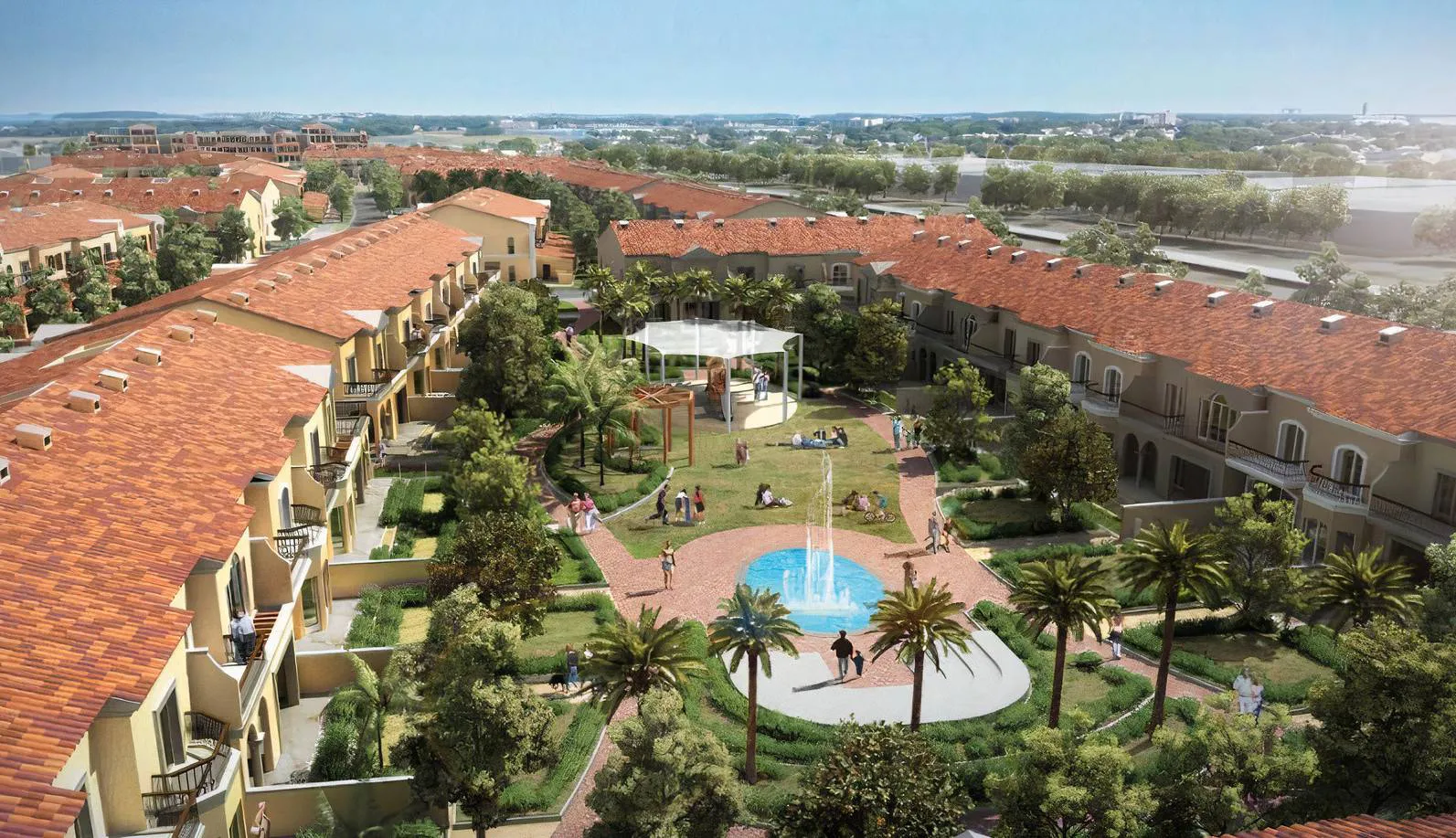
Wellness led communities in Dubai are designed around accessibility and movement. Walkable neighbourhoods, cycling tracks, shaded pathways, and green corridors encourage daily physical activity as part of normal routines rather than planned exercise. These design elements help reduce car dependency while promoting outdoor engagement, social interaction, and improved mental wellbeing. For families and professionals alike, this creates a more balanced lifestyle within urban settings.
Green spaces play a central role in improving livability across Dubai’s districts. Parks, community gardens, water features, and open recreational areas are increasingly integrated into residential master plans. These spaces provide areas for relaxation, fitness, and social connection, while also contributing to better air quality and reduced urban heat. Access to greenery has become a key factor for buyers choosing where to live in Dubai.
Health focused infrastructure is another defining feature of wellness led districts. Proximity to clinics, wellness centres, fitness facilities, and healthy dining options ensures residents can easily access services that support physical and mental health. Developers are also incorporating wellness amenities directly into communities, including yoga spaces, jogging tracks, meditation zones, and family friendly fitness areas.
Technology is further enhancing wellness driven urban living in Dubai. Smart city systems monitor traffic flow, air quality, energy usage, and public safety, creating more efficient and comfortable living environments. Smart lighting, waste management, and climate responsive building designs contribute to healthier and more sustainable districts that align with Dubai’s long term vision.
Community engagement is equally important in improving livability. Wellness led districts encourage social interaction through shared spaces, community events, and inclusive facilities. These environments help residents feel connected, supported, and mentally engaged, which is essential for overall wellbeing. A strong sense of community reduces isolation and supports healthier social lifestyles.
Dubai’s focus on wellness led communities reflects a broader shift in how cities measure success. Livability, sustainability, and resident wellbeing are becoming as important as economic growth. By designing districts that support healthier living, Dubai continues to position itself as a global model for future ready urban development, where wellness is built into everyday life rather than treated as an afterthought.