Now Reading: Dubai real estate outlook 2026, steady demand, selective cooling, and a tech-driven turn
-
01
Dubai real estate outlook 2026, steady demand, selective cooling, and a tech-driven turn
Dubai real estate outlook 2026, steady demand, selective cooling, and a tech-driven turn
Steady demand continues to be a defining feature of Dubai real estate in 2026.
Dubai’s real estate market enters 2026 with a strong yet more balanced outlook, shaped by steady demand, selective cooling in certain segments, and a clear shift towards technology driven transactions. After several years of rapid growth, the market is showing signs of maturity, offering greater stability for investors, end users, and developers.
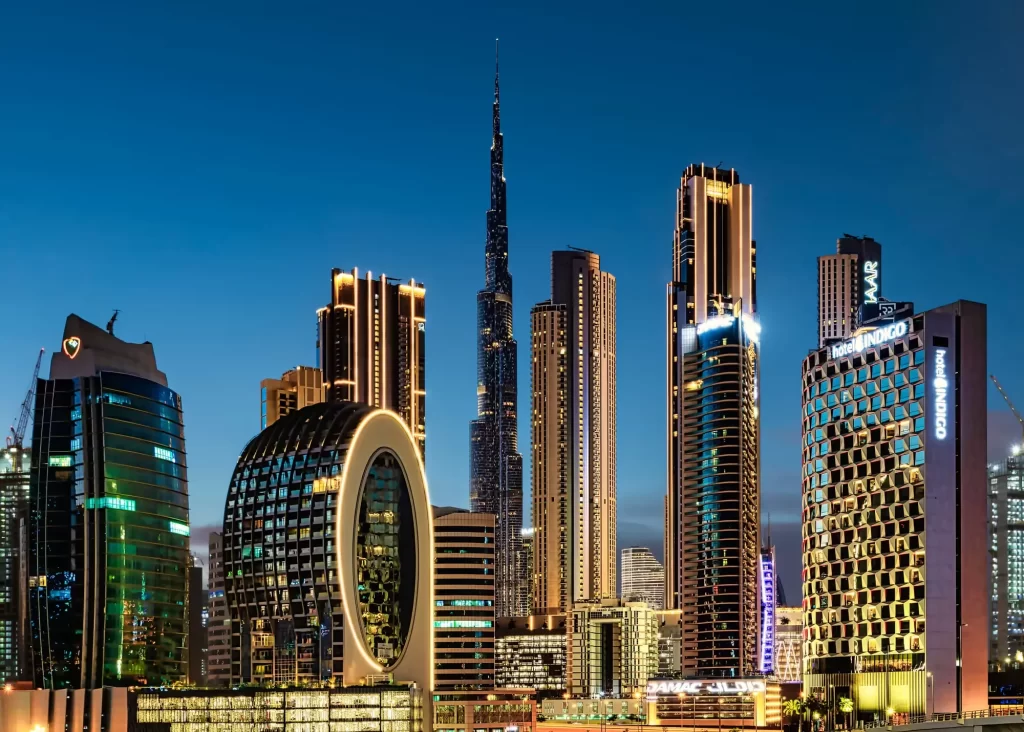
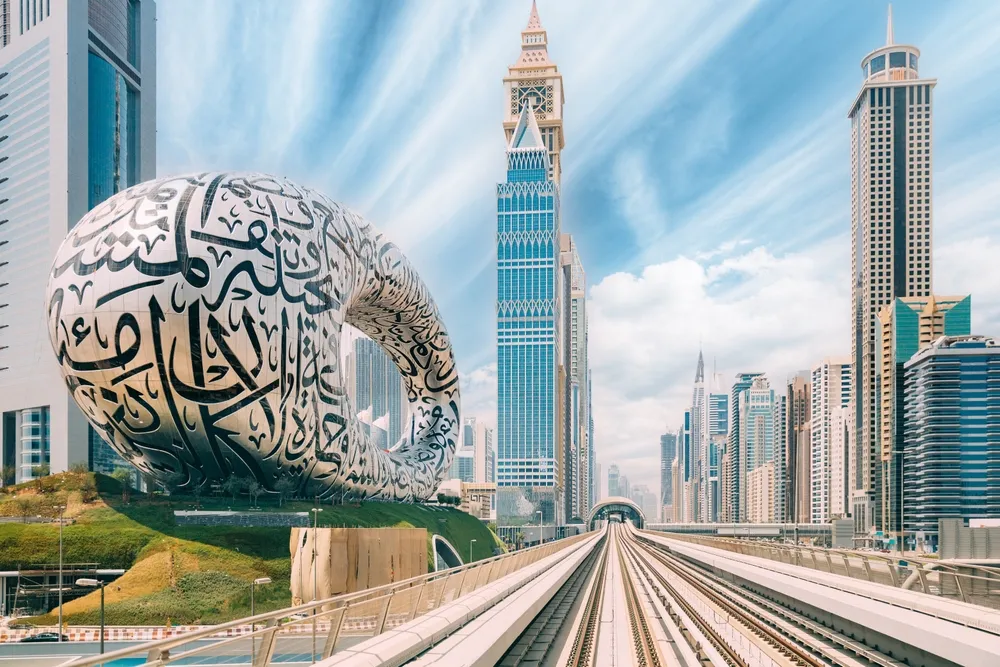
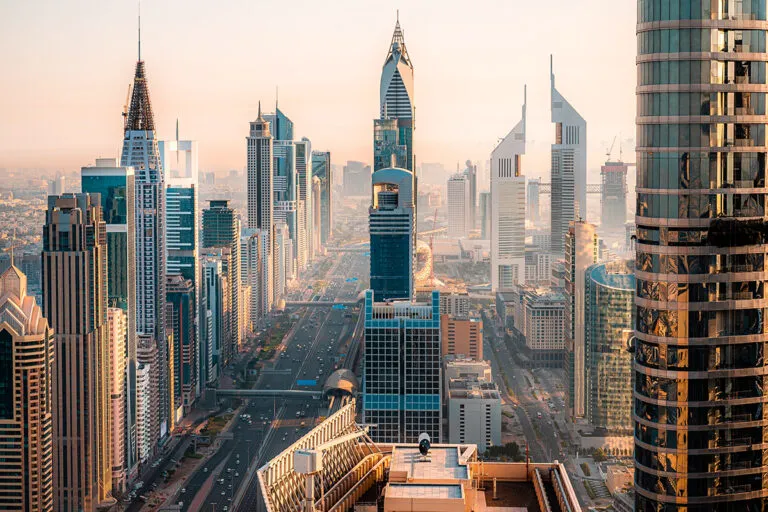
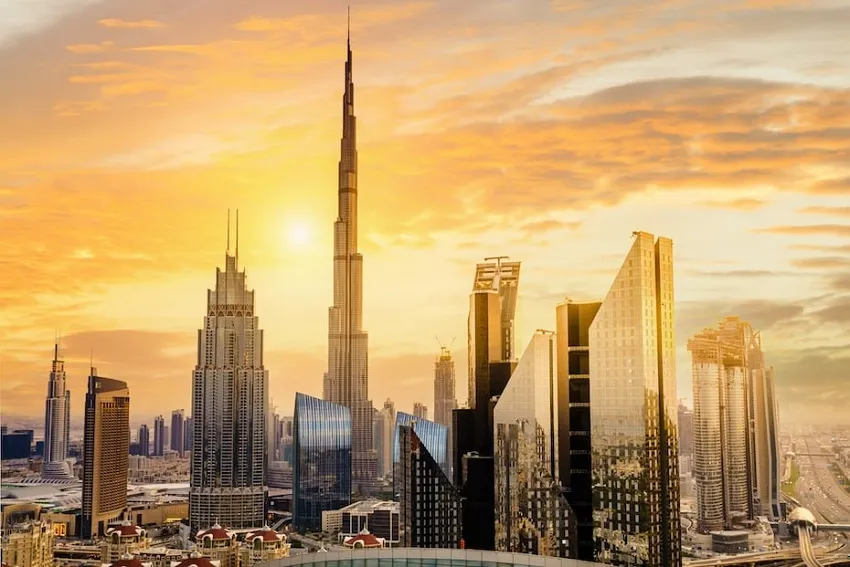
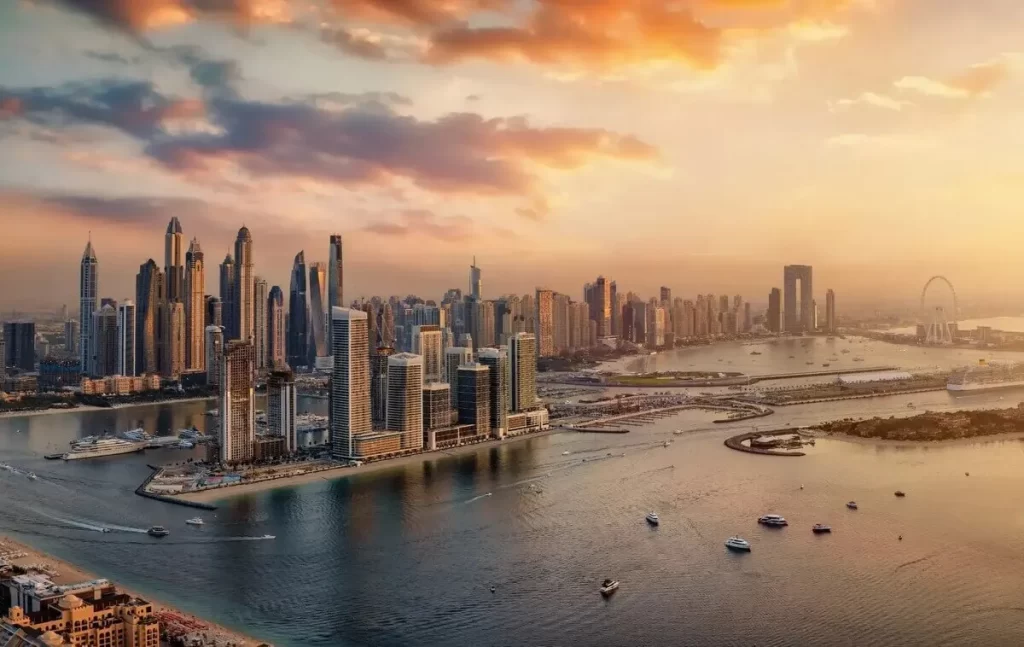
Steady demand continues to be a defining feature of Dubai real estate in 2026. Population growth, long term residency visas, business friendly policies, and Dubai’s global appeal keep housing demand resilient. End users are playing a larger role in the market, particularly families and professionals seeking long term residence rather than short term speculation. This trend supports sustainable price growth across well established communities and emerging residential hubs.
At the same time, selective cooling is visible in specific areas and property types. Certain luxury and off plan segments are experiencing price stabilisation as supply increases and buyers become more value conscious. Rather than signalling weakness, this cooling reflects a healthier market correction where pricing aligns more closely with actual demand. Investors are becoming more selective, focusing on location quality, developer reputation, and long term rental potential.
Rental demand remains strong in 2026, driven by workforce expansion and lifestyle migration. While rental growth may moderate compared to previous years, occupancy levels remain high across mid market and family oriented communities. This balance benefits both tenants and landlords, creating a more predictable and transparent rental environment.
Technology is playing an increasingly important role in Dubai’s real estate landscape. Digital property platforms, virtual viewings, blockchain based transactions, and smart contract solutions are streamlining the buying and leasing process. Developers are also integrating smart home features, energy efficient designs, and data driven property management systems to meet evolving buyer expectations. These advancements improve transparency, reduce transaction time, and enhance overall customer experience.
Government regulations and data driven planning continue to support market stability. Improved reporting, investor protection measures, and urban planning initiatives help maintain confidence across local and international buyers. Dubai’s focus on smart city development further strengthens the connection between real estate growth and digital innovation.
Overall, the Dubai real estate outlook for 2026 reflects a market moving into a more sustainable phase. With steady demand, selective cooling, and a strong shift towards technology driven solutions, Dubai remains one of the most attractive and forward thinking real estate markets globally, offering long term opportunities for investors, residents, and developers alike.