Now Reading: The Rise of Emotional Design in Homes: How Your Décor Now Impacts Your Mental Health
-
01
The Rise of Emotional Design in Homes: How Your Décor Now Impacts Your Mental Health
The Rise of Emotional Design in Homes: How Your Décor Now Impacts Your Mental Health
Recent studies indicate that certain color schemes, lighting, and spatial layouts can influence mood and productivity. For example, soft earth tones promote relaxation, while well-lit spaces can increase focus and reduce stress.
Home isn’t just where you sleep it’s where your emotions live. In 2025, interior designers are moving beyond aesthetics to prioritize emotional impact. From calming color palettes to tactile textures, homes are being transformed into mental wellness hubs. Dubai’s fast-paced lifestyle has fueled this trend, with residents seeking serenity amidst the city’s vibrant energy.
Why Emotional Design Matters
Recent studies indicate that certain color schemes, lighting, and spatial layouts can influence mood and productivity. For example, soft earth tones promote relaxation, while well-lit spaces can increase focus and reduce stress. Industry figures specializing in interior psychology note that emotional design isn’t a fad it’s a necessary response to modern stressors.
Key Elements of Emotional Design
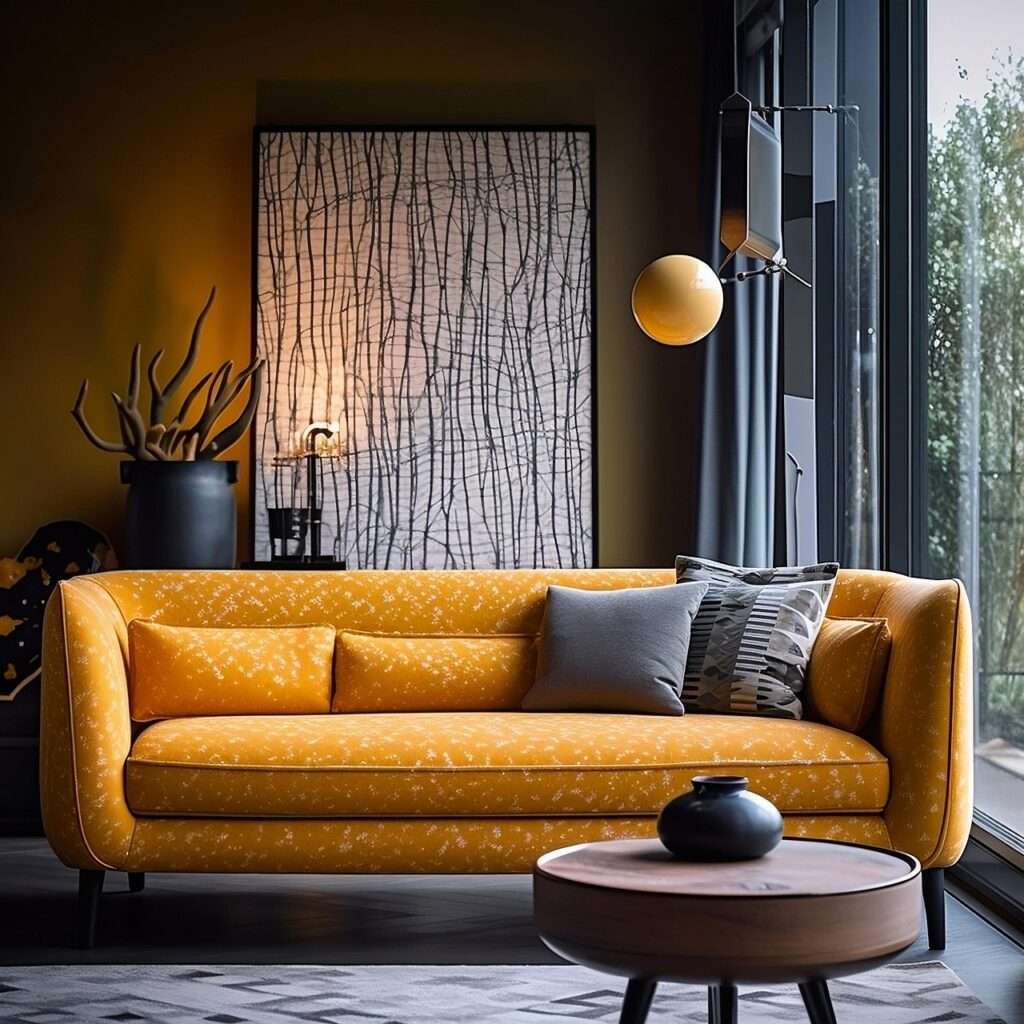
- Color Psychology: Shades of blue, green, and muted neutrals are increasingly popular for bedrooms and workspaces.
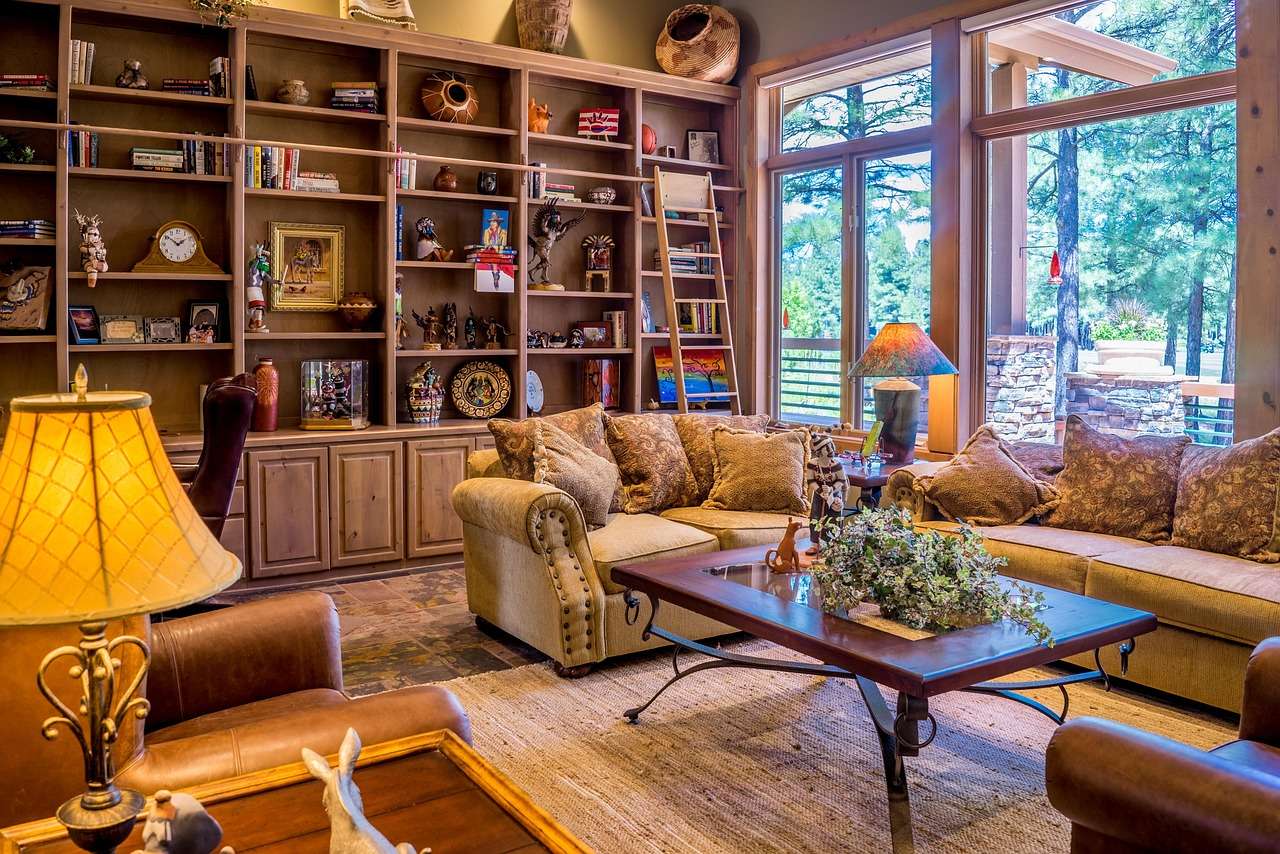
- Tactile Materials: Plush rugs, textured cushions, and natural wood surfaces add comfort and grounding sensations.
- Lighting: Adjustable lighting with warm tones can help regulate circadian rhythms.
- Personalized Spaces: Displaying meaningful items or family mementos fosters a sense of belonging and calm.
Applying It in Dubai Homes
High-rise apartments and villas benefit from emotional design through flexible furniture, soundproofing, and greenery. Rooftop gardens and indoor plants not only enhance aesthetics but improve air quality and mental well-being. Experts highlight that even small changes like a calming reading corner or an aromatherapy diffuser can transform daily routines.
Tips for Readers
- Start small: Replace harsh fluorescent lights with warm LED options.
- Focus on comfort: Prioritize furniture and textiles that invite relaxation.
- Include nature: Add indoor plants or natural textures.
- Declutter intentionally: Organized spaces reduce mental clutter.
Conclusion
Homes that nurture emotions are no longer optional they are essential. By blending thoughtful design with personal touches, residents can cultivate spaces that truly support mental health while reflecting individual style.